

Flood Damage Restoration in Chattanooga, TN
Chattanooga's proximity to the Tennessee River and network of creeks, combined with heavy seasonal rainfall, puts many properties at risk of flood damage that requires fast, professional restoration. Ellison Water Damage Restoration connects property owners in Chattanooga and nearby areas like North Shore and Hixson with local restoration providers who respond to flooding emergencies and help return homes to safe, habitable condition. Quick action after flood damage reduces long-term structural harm and helps you move forward with confidence.
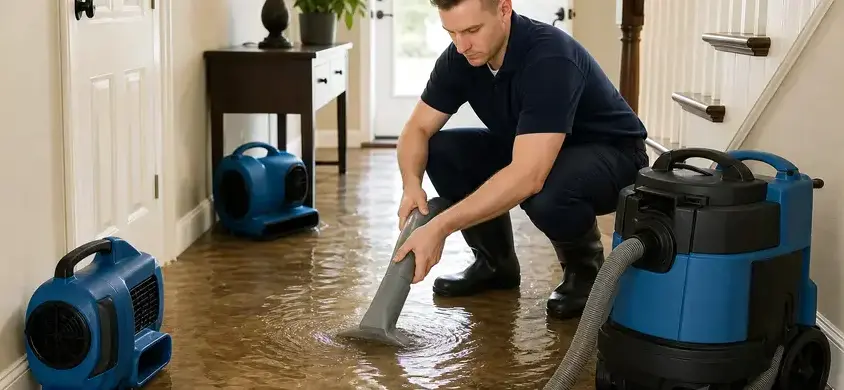
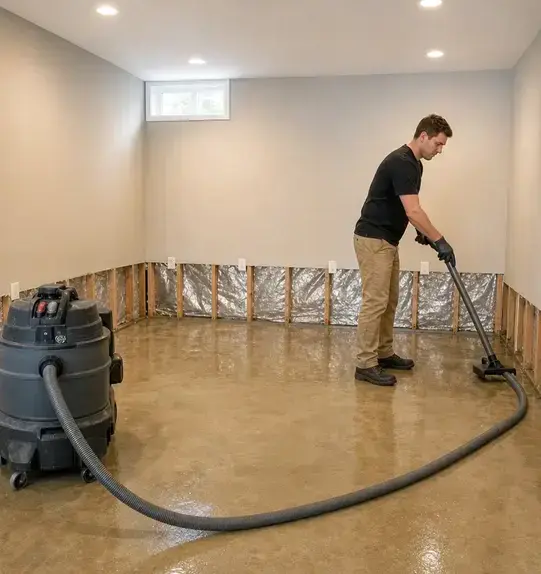
Flood Damage Restoration for Chattanooga Homes
Chattanooga property owners face a significant water damage risk from heavy seasonal rainfall and flash flooding, particularly in areas near creeks and low-lying zones adjacent to the Tennessee River. When water enters a home—whether through foundation seepage during prolonged wet periods, overflowing waterways, or backed-up drainage systems—the damage spreads quickly through structural materials, personal belongings, and building systems. The combination of the region's terrain and seasonal precipitation patterns means that flood damage restoration isn't just a convenience; it's an essential service that homeowners in neighborhoods like North Shore and Southside need to address promptly to prevent secondary damage and protect their investment.
Ellison Water Damage Restoration connects Chattanooga property owners with independent local providers who specialize in comprehensive flood damage restoration. These providers respond quickly to assess water intrusion, remove standing water, and begin the drying process to halt further deterioration of walls, flooring, and contents. They work methodically through affected areas, documenting damage for insurance purposes and guiding you through recovery options. Beyond the immediate response, they focus on thorough restoration to help your home return to normal, coordinating with you at each stage so you understand what's being done and what comes next.
Why Chattanooga Property Owners Choose Ellison Water Damage Restoration
Fast Local Flood Damage Response
Flood Damage Restoration demands speed. Ellison connects you with independent local providers who understand Chattanooga's urgency and arrive quickly to assess water intrusion, extract standing water, and begin drying before secondary damage spreads.
Transparent Flood Damage Communication
Confusion worsens water emergencies. The independent providers Ellison connects you with explain Flood Damage Restoration scope, timeline, and next steps in clear language, keeping you informed from initial inspection through final restoration.
Thorough Flood Damage Treatment
Incomplete Flood Damage Restoration leads to mold and structural failure. Local providers in Ellison's network use targeted equipment and methods to dry affected materials, remove contaminated water, and restore your property comprehensively.
Expertise for Chattanooga's Seasonal Rain Risk
Heavy seasonal rainfall and flash flooding from nearby waterways create real Flood Damage Restoration demands for Chattanooga homeowners. Ellison connects you with local providers experienced in managing water intrusion from these regional weather patterns, whether your home is in North Shore, Southside, or other Chattanooga neighborhoods.
How Our Flood Damage Restoration Process Works
From your initial call to the final inspection, we provide a structured, professional, and efficient process to ensure your property is fully restored after Flood Damage Restoration.
Report Your Flood Damage
Contact Ellison Water Damage Restoration to report flooding at your Chattanooga property. We'll connect you with a local flood damage restoration provider who can assess water intrusion, identify affected areas, and begin emergency response immediately.
Assess Flood Damage Extent
The independent restoration provider inspects your property to evaluate flood damage severity, water source, and structural impact—especially critical in Chattanooga homes where heavy seasonal rainfall and flash flooding from nearby waterways pose significant risks. They'll document findings to guide cleanup and restoration planning.
Begin Flood Damage Restoration
The provider removes standing water, dries affected spaces, and restores damaged materials as part of flood damage restoration. They'll coordinate with you on next steps, including insurance documentation and long-term repairs to return your property to safe, usable condition.
Dealing with Flood Damage Restoration in Chattanooga? Get fast, professional help.
Call Now — (423) 799-3220Flood Damage Restoration Across Chattanooga
Chattanooga's topography and rainfall patterns create distinct flood risks across different parts of the city. Many homes are built on crawl spaces or basements—a response to the region's hilly, rocky terrain—which means water intrusion during heavy rains can affect critical structural areas and mechanical systems. Newer subdivisions more often feature slab foundations, which present their own challenges when flooding occurs in low-lying zones. The primary threat to properties throughout Chattanooga comes from intense seasonal rainfall and flash flooding, particularly in areas near creek systems and low-lying zones adjacent to the Tennessee River, where water rises quickly and can overwhelm drainage capacity.
Flood damage restoration needs vary based on how water reaches a home and which foundation type it has. Properties in neighborhoods like North Shore and Riverview near waterways face heightened exposure during heavy downpours, while those in elevated areas like Highland Park experience different water-intrusion patterns. The speed of flood response matters significantly—standing water in crawl spaces and basements can cause structural damage, material degradation, and secondary issues if not addressed promptly. Connecting with local restoration providers familiar with Chattanooga's specific flood geography and seasonal patterns ensures faster mitigation and damage assessment tailored to your property's layout and location.
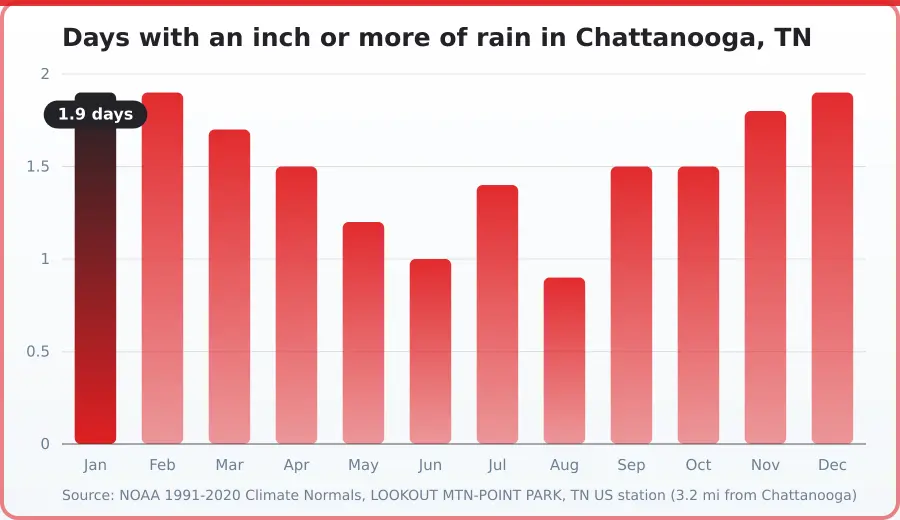
| Period | Days with an inch or more of rain (days) |
|---|---|
| Jan | 1.9 |
| Feb | 1.9 |
| Mar | 1.7 |
| Apr | 1.5 |
| May | 1.2 |
| Jun | 1 |
| Jul | 1.4 |
| Aug | 0.9 |
| Sep | 1.5 |
| Oct | 1.5 |
| Nov | 1.8 |
| Dec | 1.9 |
Source: NOAA 1991-2020 Climate Normals, LOOKOUT MTN-POINT PARK, TN US station (3.2 mi from Chattanooga). Retrieved October 4, 2026.
Seasonal Flood Damage Restoration Needs in Chattanooga
Spring: Heavy Rainfall Response
Spring brings intense rainfall across the Chattanooga region, and properties in low-lying areas and those built on crawl spaces face elevated flood risk from swollen creeks and runoff. Ellison connects property owners with local restoration providers who respond quickly to water intrusion, extracting standing water and beginning drying before structural damage compounds.
Summer: Heat and Humidity Challenges
Summer heat accelerates mold growth in water-damaged areas if moisture isn't fully removed during initial restoration. Flood damage restoration providers in the network focus on thorough drying and dehumidification to prevent secondary damage, addressing hidden moisture in walls and floors before warm-season conditions worsen the problem.
Fall: Debris and Drainage Strain
Autumn leaf drop clogs gutters and storm drains, reducing water drainage and increasing localized flooding during fall rains. Flood damage restoration becomes urgent when properties experience water backup; Ellison connects you with nearby providers who extract water, assess saturation depth, and restore affected materials before winter conditions set in.
Winter: Freeze-Thaw and Ice Dams
Winter freeze-thaw cycles can crack foundation walls and worsen existing water intrusion, while ice dams on roofs force meltwater into attics and upper floors. Flood damage restoration providers accessed through Ellison address winter water entry promptly, preventing ice-related damage from becoming structural liability through rapid extraction and controlled drying.
Flood Damage Restoration FAQs — Chattanooga, TN
Flood damage restoration addresses water intrusion from heavy rainfall and overflow events. The process typically includes water extraction, structural drying, cleanup of affected materials, and assessment for secondary damage. Local restoration providers work to remove standing water, dry crawl spaces and basements, and restore affected rooms. The scope depends on flood depth, duration of exposure, and which areas of your home were affected.
Ellison Water Damage Restoration connects you with local providers ready to respond to active flooding. When you contact us during or immediately after a flood event, we match you with independent restoration professionals in Chattanooga who can arrive and begin water removal and damage assessment. Response time depends on the provider's current workload and your location within the area.
Flood restoration costs depend on the volume of water, which areas were affected, how long water sat before extraction began, and whether structural materials absorbed water. Homes with crawl spaces or basements may face different restoration scope than those built on other foundations. Your insurance coverage, if applicable, may also influence out-of-pocket expenses. Independent providers will assess your specific situation to provide pricing.
The restoration team will inspect affected areas, document damage, and begin water extraction using pumps and commercial equipment. They'll assess moisture in walls, flooring, and structural components to determine what can dry in place versus what must be removed. You may need to vacate during initial stages. The provider will explain the drying process timeline and answer questions about your home's recovery.
Maintain gutters and downspouts to direct rainfall away from your foundation. Clear storm drains near your property and ensure grading slopes away from the house. For homes in low-lying areas or near creek systems, consider sump pump maintenance and backup power. After heavy rainfall events, monitor crawl spaces or basements for moisture accumulation before major flooding occurs.
Heavy seasonal rainfall is the primary flood driver in this region, particularly during periods of sustained or intense storms. Creeks and tributaries that feed toward the Tennessee River can swell quickly, affecting properties in low-lying zones. Spring and fall typically bring higher rainfall activity, though damaging floods can occur year-round. Knowing your home's proximity to drainage systems helps you prepare for flood season.
Homeowner Safety Toolkit
Verify Your Chattanooga, TN Water Damage Restoration Company
Before you hire anyone, use these independent national resources to confirm credentials, standards, and track record.
EPA
The federal government's own guidance on drying out a water-damaged home fast enough to keep mold from taking hold.
Mold Prevention GuideIICRC
Sets the technical standards for water damage restoration. Confirm a company's technicians hold real, current IICRC certification before you hire them.
Verify CertificationNADCA
Sets the industry standard for inspecting and cleaning HVAC systems after water damage, so contaminated ductwork doesn't spread moisture through the rest of the house.
Duct & Air StandardsDealing with Flood Damage Restoration in Chattanooga, TN? Call (423) 799-3220 for 24/7 help.
Call Now — (423) 799-3220Areas We Serve Near Chattanooga, Tennessee
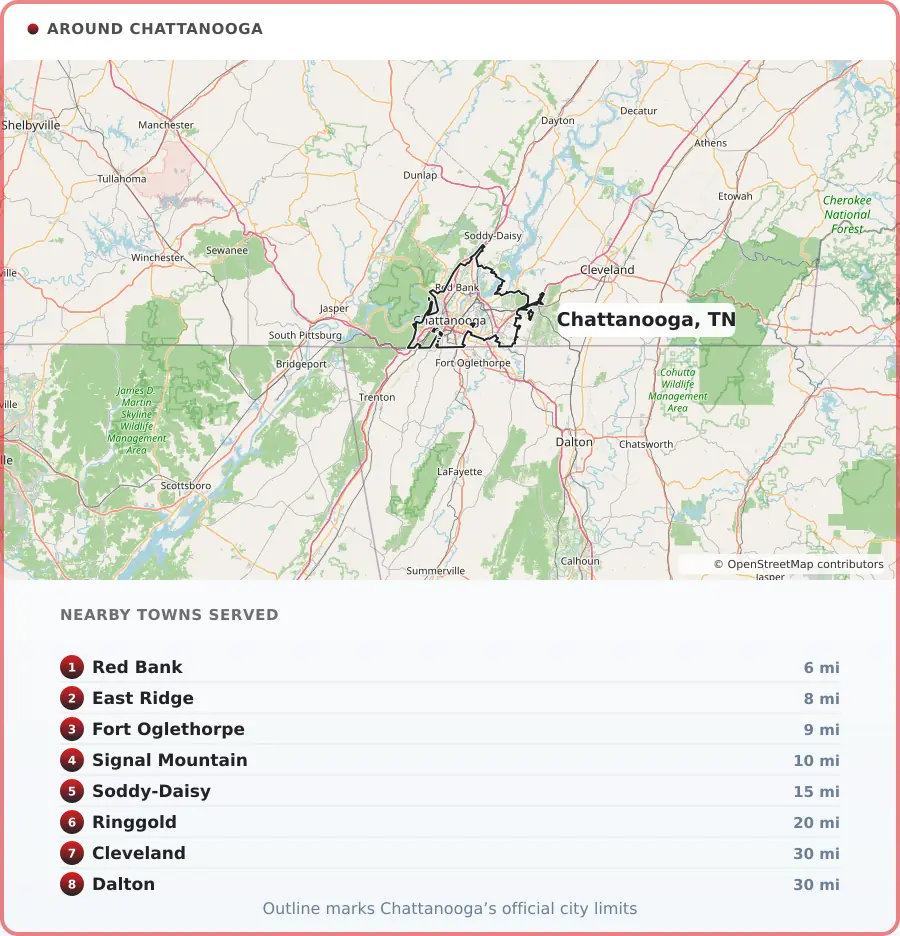
Coverage centres on Chattanooga, TN and reaches 8 surrounding communities. Response time is what matters most in the hours after a problem is found, so knowing the ground is part of the job.
Chattanooga, TN Information
Tucked along a bend of the Tennessee River and ringed by forested ridges, Chattanooga, TN has built a reputation as a city that reinvents itself without losing its character. What began as a manufacturing and rail crossroads has grown into a diversified economy rooted in advanced manufacturing, insurance, and a tech scene proud enough of its municipal fiber network to call itself the Gig City. Volkswagen's assembly plant and insurers like Unum and BlueCross BlueShield anchor the job base, alongside healthcare systems, logistics operations, and steady tourism drawn by the Tennessee Aquarium and river-and-mountain recreation.
With roughly 182,799 residents, Chattanooga still feels approachable, with distinct neighborhoods like North Shore and St. Elmo giving each corner of the city its own personality amid the shared backdrop of water, ridgeline, and small-town warmth.
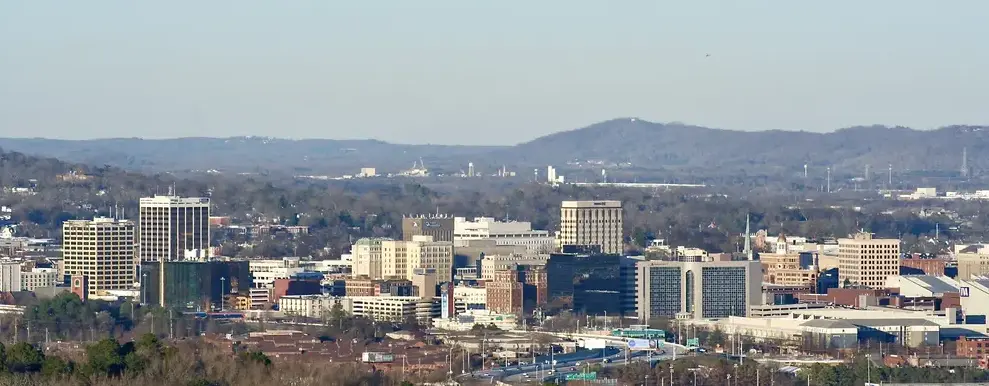
Photo: WeaponizingArchitecture, CC BY-SA 4.0